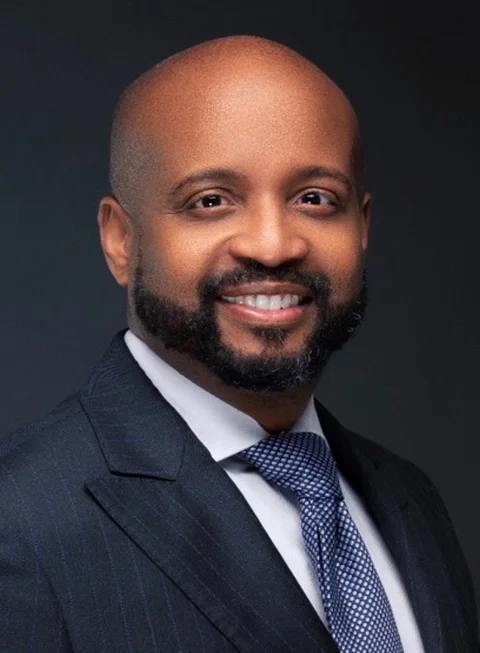
On 13News Now on 12 October 2026, Dr. Kester Crosse said technology should accent a student's life, not replace it: "You need to have your ability to think, your ability to work hard, your ability to communicate." The research backs the worry. Pew Research Center found 26% of US teens used ChatGPT for schoolwork in 2024, double the 13% of 2023.
The question every parent is asking right now got a one-sentence answer on live television.
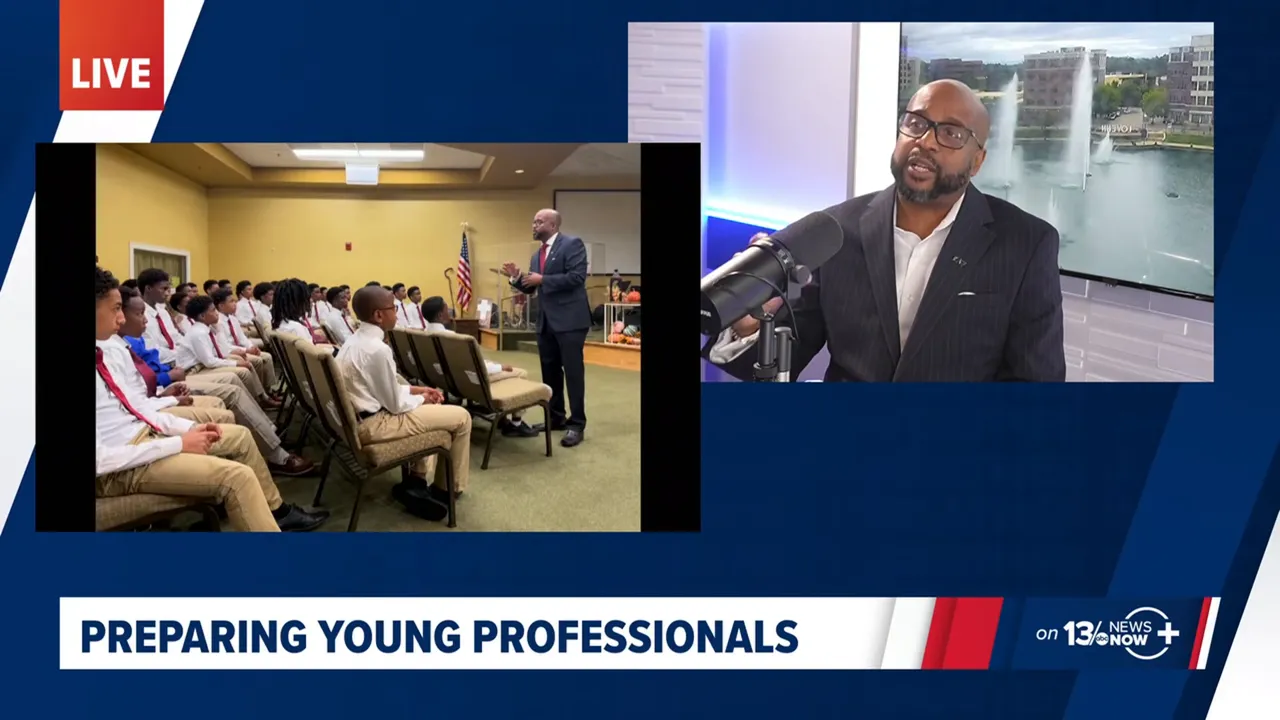
On 12 October, Dr. Crosse sat down in the studio of 13News Now in Hampton Roads to talk about artificial intelligence and students, on the morning he was headed to Hampton University. His position: "Technology is to accent your life, make it better, but not replace. When it replaces, there's a problem."
What the research says
The worry is not nostalgia. It is showing up in the data.
The first two figures come from Pew Research Center's survey of 1,391 teens. The third is a Microsoft Research and Carnegie Mellon study presented at CHI 2025: across 936 real examples, the more people trusted the AI, the less critical thinking they applied to its answers. An early MIT Media Lab preprint with 54 participants pointed the same way: people who wrote essays with ChatGPT showed the weakest brain connectivity of any group and struggled to quote their own work.
You can't learn to ride a bike through AI. You have to get on it.
The gym that lifts the weights for you
His analogy for parents was a gym. "If the gym does the weights for you, you never get stronger. You actually get weaker." Adults grew up building those muscles before the phone arrived. Children now risk skipping the workout entirely.
So his advice was specific. Between roughly ages 5 and 16, the fundamental years, limit what AI does for a child. Use technology sparingly to accent their life, but make sure they do the work, because that is the only way the learning becomes muscle memory. It is the same discipline behind putting the phone away.
The room where everybody is smart
Twenty years in leadership taught him something the transcript does not show. In his hiring career, some of the smartest people struggled, and the struggle was almost always about people skills. "At some point you're going to be in a room where everybody is smart and everybody has a degree. So what's the difference? It's going to be your emotional intelligence."
Employers agree. The National Association of Colleges and Employers finds communication rated essential 96% of the time, yet new graduates rated proficient at it only 54% of the time. No chatbot closes that gap for you. And as he put it, "most of the time we have one or two people in our lives that change the direction of our life," which is the mentor gap in a sentence.
Start with one word: FROM
The tool he gives students is deliberately simple. Ask about where someone is From and their family, their Recreation, their Occupation, and their Motivation. It is the FROM method from chapter seven of Open Doors, and you can drill it in the free companion workshop. Students, he said, ask him to spell it.
Watch it, share it
The full segment is on the Watch page. If a parent, teacher or coach in your life is wrestling with the AI question, send it to them. A companion piece on the interview is in the Smith App Studio Journal. For the same message in a classroom, see Make History with IQ and EQ, or check a date on the speaking page.
Score the skills AI cannot fake
Talent opened the first door. The free TEEE Score tells you which of the other three is costing you the ones after it.
Frequently asked
What did Dr. Kester Crosse say about AI on 13News Now?
That technology should accent a student's life, not replace it. Students still need the ability to think, to work hard and to communicate, because those are what make people valuable, with AI or without it.
How much are teens using AI for schoolwork?
Pew Research Center found 26% of US teens aged 13 to 17 used ChatGPT for schoolwork in 2024, double the 13% in 2023. Only 18% said using it to write essays is acceptable.
What should parents do about kids and AI?
Dr. Crosse advises limiting what AI does for children during the fundamental years, roughly ages 5 to 16, so they build skills through their own effort. In his words, you cannot learn to ride a bike through AI.
What is the FROM method?
A conversation framework from Open Doors: ask about where someone is From and their family, their Recreation, their Occupation, and their Motivation. It keeps a conversation flowing without pressure.