Chapters 1 & 3
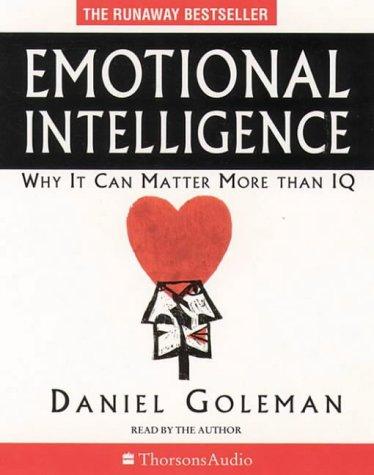
Emotional Intelligence
Daniel Goleman · 1995
The book that put emotional intelligence into business language. Dr. Crosse cites it as the foundation under the whole argument.
Open Library →Every chapter of Open Doors ends with something to do. This page is the map of that work: what each chapter covers, what its framework is called, and the research it stands on. The teaching, the assignments and the 14-Day System are in the book itself.
Open any chapter for what it introduces and what it asks of you. Chapter 2 is the one chapter with no drill. It closes on legacy instead, and that is left as it is.
Introduces the framework above and closes with an assignment: Your 15-second introduction. The teaching, and the drill itself, are in the chapter.
The one chapter in the book without a drill. It closes on legacy instead.
Introduces the framework above and closes with an assignment: The 24-hour phone presence challenge. The teaching, and the drill itself, are in the chapter.
Introduces the framework above and closes with an assignment: Write your story. The teaching, and the drill itself, are in the chapter.
Introduces the framework above and closes with an assignment: Raising your TEEE in real time. The teaching, and the drill itself, are in the chapter.
Introduces the framework above and closes with an assignment: Building your market value in real time. The teaching, and the drill itself, are in the chapter.
Introduces the framework above and closes with an assignment: Start building today. The teaching, and the drill itself, are in the chapter.
Introduces the framework above and closes with an assignment: The small talk practice drill. The teaching, and the drill itself, are in the chapter.
Introduces the framework above and closes with an assignment: The communication reset. The teaching, and the drill itself, are in the chapter.
Introduces the framework above and closes with an assignment: The cold conversation challenge. The teaching, and the drill itself, are in the chapter.
Introduces the framework above and closes with an assignment: Identify your next step. The teaching, and the drill itself, are in the chapter.
Introduces the framework above and closes with an assignment: Run the play for 14 days. The teaching, and the drill itself, are in the chapter.
Five small daily actions, every day, for fourteen days, scored like a scoreboard. It is the last thing the book asks of you, and the part that turns twelve chapters of reading into habit. The five points, the daily instructions and what to do when you miss a day are all in chapter twelve.
Each one is taught in its own chapter, drilled by that chapter's assignment, and sourced in the reference list below.
These are the books Open Doors cites by name. If a framework in the book made you want to go deeper, this is where it came from.
The book that put emotional intelligence into business language. Dr. Crosse cites it as the foundation under the whole argument.
Open Library →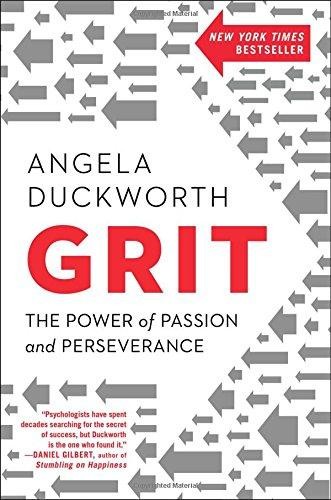
Cited behind the work-ethic chapter — the research case that sustained effort beats raw talent over time.
Open Library →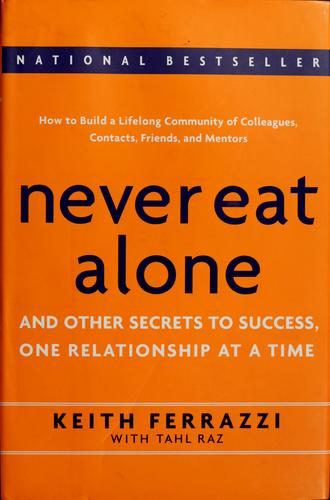
The networking chapter leans on it: your success is shaped by the strength of your relationships, not only your credentials.
Open Library →Every chapter of the book ends with its sources. These are the papers and reports behind the claims.
Do I need the book to use this page?
Yes, and that is by design. This page is the map: the twelve chapters, what each framework is called, and the research behind them. The frameworks themselves, the chapter assignments and the 14-Day System are taught in the book.
What is the 14-Day System?
The assignment that closes Open Doors: five small daily actions, completed every day for fourteen days and scored like a scoreboard. Chapter twelve names the five points and walks you through running it.
Which chapter should I start with?
Take the free TEEE Score assessment first, then read the chapter covering your lowest dimension. Working the whole book front to back also works — but the score tells you where the return is highest.
12 chapters, 178 pages, and the stories and research behind every framework named on this page. 4.8★ across 117 ratings.